Introduction to Fast Food Culture in Massachusetts
Massachusetts has a rich and diverse culinary landscape that reflects its historical roots and sociocultural evolution. The fast food culture in the state is a notable facet of this dining experience, marked by its blend of traditional New England cuisine and convenience-driven preferences. The arrival of fast food chains in Massachusetts traces back to the mid-20th century, a period when the American public began to embrace quick service dining, influenced significantly by changing lifestyles and increased mobility.
The fast food industry saw its initial growth in Massachusetts as national chains set roots in urban centers like Boston and Springfield. These establishments quickly became popular due to their affordability and accessibility, catering to busy families and working individuals. Over the years, this industry has expanded to incorporate local flavors and preferences, which have shaped the fast food offerings available today.
Consumer preferences in Massachusetts have evolved, with a noticeable shift toward healthier options and sustainable practices. This change is evident in the menus of various fast food outlets, where there is an increasing emphasis on fresh ingredients, local produce, and vegetarian choices. Additionally, Massachusetts is known for its unique local cuisines, such as clam chowder and lobster rolls, which have occasionally made their way into fast food menus, illustrating how local tastes influence national trends in the fast food sector.
The popularity of the fast food industry within the state can also be tied to its vibrant culture of dining out. Fast food chains contribute significantly to this tapestry, providing classic American fare alongside regional specialties that appeal to both residents and tourists alike. Massachusetts’ fast food landscape is thus not only about convenience but also reflects the dynamic interplay of local culinary traditions and modern dining practices.
Top Fast Food Chains in Massachusetts
Massachusetts is home to a diverse array of fast food chains, each catering to the tastes and preferences of its residents. Prominent national brands, as well as local favorites, contribute to the state’s vibrant culinary landscape. Among the most recognized fast food chains operating in Massachusetts are McDonald’s, Burger King, and Wendy’s.
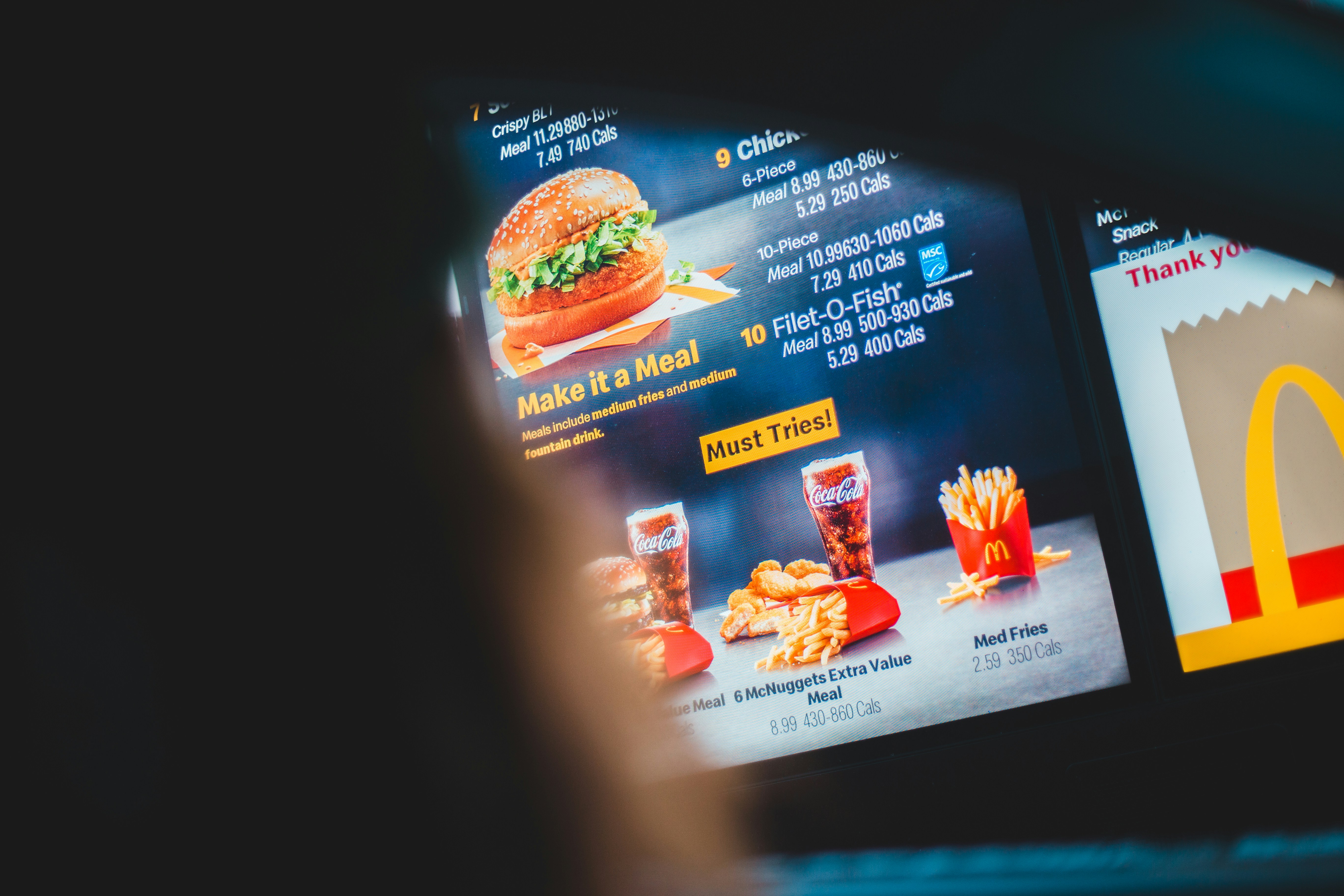
McDonald’s, a staple in the fast food industry, offers an extensive menu that appeals to families and individuals alike. Its classic offerings include hamburgers, fries, and breakfast items, alongside seasonal variations that sometimes incorporate local flavors, such as the New England Lobster Roll during the summer months. Customers in Massachusetts are often drawn to McDonald’s for their convenience, affordability, and wide selection.
Burger King, another significant player in the fast food market, is known for its flame-grilled burgers. The chain’s signature Whopper remains a favorite among many Massachusetts residents. Additionally, Burger King has creatively introduced items that resonate with local tastes, including fish sandwiches during Lent, which aligns with regional cooking traditions.
Wendy’s also competes vigorously in this market, particularly with its focus on fresh ingredients and customizations. Known for the “fresh, never frozen” beef, Wendy’s showcases a menu that includes innovative salads and chicken sandwiches, appealing to health-conscious consumers in the state. Seasonal promotions may feature local ingredients, enhancing the brand’s connection to its Massachusetts clientele.
In addition to these widely recognized chains, several local fast food establishments serve up unique offerings that reflect Massachusetts’ culinary heritage. For instance, places like Kelly’s Roast Beef serve iconic dishes such as roast beef sandwiches, while others may highlight regional specialties like clam chowder or fried seafood options.In conclusion, fast food in Massachusetts presents a blend of national chains and regional flavors, catering to the diverse preferences of the state’s population.
Local Favorites: Unique Fast Food Spots
In recent years, Massachusetts has witnessed a surge in independent fast food restaurants that offer a distinctive alternative to national chains. These local establishments not only provide delicious meals but also showcase the region’s culinary creativity by utilizing fresh, locally sourced ingredients. One prime example is Chickadee’s Diner in Worcester, known for its artisan burgers and house-made sauces. Customers rave about the “Worcester Smash Burger,” which features a blend of locally raised beef paired with fresh produce from nearby farms.
Another noteworthy mention is Roxy’s Grilled Cheese, which started as a food truck and has blossomed into a beloved restaurant chain in Massachusetts. Their signature dish, the “Roxy Grilled Cheese,” combines artisanal bread with a melty mix of local cheeses, offering a comforting yet upscale take on a classic fast food item. Diners appreciate the innovative twists on traditional meals and the warm, inviting atmosphere that encourages community engagement.
The Meatball Shop in Boston exemplifies how local flavor can transform the fast food experience. Known for its customizable meatball dishes, diners can select from various meatball types, sauces, and bases, allowing for a personal touch. Leveraging local ingredients, the restaurant emphasizes the importance of freshness and quality while maintaining a reputation for speedy service.
These independent spots are not just meeting the demand for quick meals but are also redefining the fast food narrative. Local patrons frequently share their experiences online, highlighting how these restaurants foster a stronger connection with their communities compared to larger chains. From unique offerings to distinctive décor, these restaurants represent the vibrant food culture of Massachusetts, where every meal tells a story.
Trends and Future of Fast Food in Massachusetts
In recent years, fast food consumption in Massachusetts has experienced notable shifts, driven by various emerging trends. One of the most significant influences is the growing health consciousness among consumers. Many diners are now prioritizing nutritious options, which has prompted fast food chains to adapt their menus accordingly. These establishments are offering lighter fare, salads, and items with clear nutritional information. This move towards healthier eating aligns with a broader national trend that emphasizes wellness and preventative health.
Another noteworthy trend is the rise of plant-based options. As more residents adopt vegetarian and vegan diets, fast food restaurants in Massachusetts are expanding their offerings to include meat alternatives. This transition not only caters to dietary preferences but also appeals to the increasing number of consumers who are concerned about the environmental impact of meat production. Chains are responding by introducing items such as plant-based burgers and dairy-free milkshakes, marking a significant shift towards inclusivity in fast food offerings.
Furthermore, advances in technology play a critical role in shaping the fast food landscape. Digital ordering systems, mobile applications, and delivery services have become increasingly popular, particularly in urban areas. Consumers appreciate the convenience of ordering from their smartphones, and many fast food outlets are investing in technology to enhance the customer experience. This trend not only improves efficiency but also opens new avenues for marketing and customer engagement.
Looking ahead, the future of fast food in Massachusetts will likely be influenced by changing demographics and evolving tastes. As younger generations become the primary consumers, their preferences for sustainability and ethical sourcing may drive further changes in menu offerings. Additionally, community concerns about environmental sustainability could lead fast food chains to adopt more eco-friendly practices, fostering a restaurant culture that prioritizes responsible sourcing and waste reduction.
In conclusion, the fast food industry in Massachusetts is navigating a landscape characterized by health awareness, plant-based innovations, and technological advancements. These trends not only reflect the preferences of contemporary consumers but also hint at a future landscape that may accommodate diverse dietary needs while addressing environmental concerns.